Request an appointment
Reserve your spot with our medical team in just minutes.
Dermatology – Skin Care
At our clinic, we help patients take care of their skin so it stays healthy and looks its best. Your skin is the largest organ in your body and acts as your first shield against things like sun, cold, and germs. While your skin protects you, it can also get damaged over time by the weather, aging, or other factors. Healthy skin helps control your body temperature, protects your organs, and keeps out infections—so it’s important to take good care of it.
Taking care of your skin means getting regular check-ups, using quality skin care products, getting the right diagnosis and treatment when something is wrong, and learning how to protect your skin from damage. During your visit, we’ll look at your skin related concerns and give you a chance to talk about any skin issues you’re concerned about.
Our providers are trained to help with many skin problems, and if needed, we can refer you to a board-certified skin doctor (dermatologist).
protect your skin
We can help diagnose and treat many skin conditions, such as:
- Shingles
- Acne
- Rosacea
- Rashes
- Dermatitis (skin irritation)
- Psoriasis
- Eczema
- Hives
- Warts
- Moles
- Skin cancer, including: Basal Cell Carcinoma, Squamous Cell Carcinoma And more
We also offer:
Meet our doctors
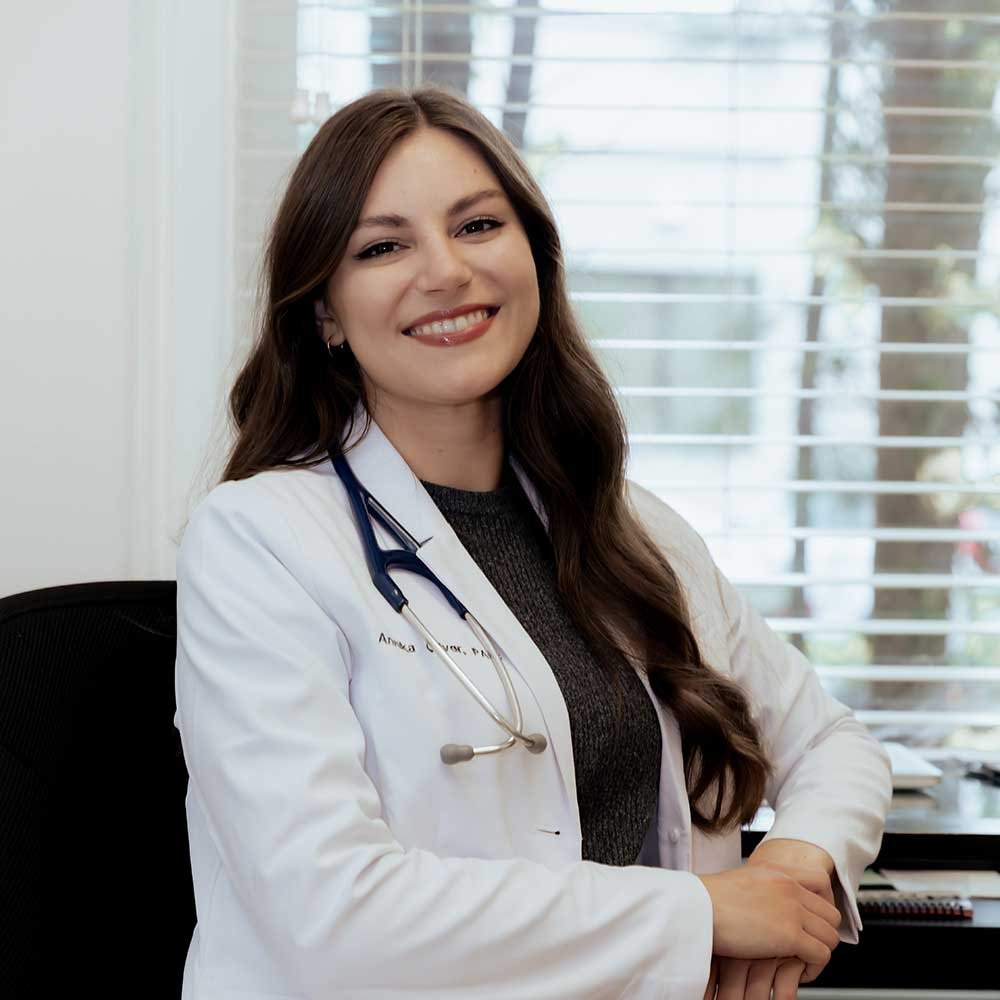
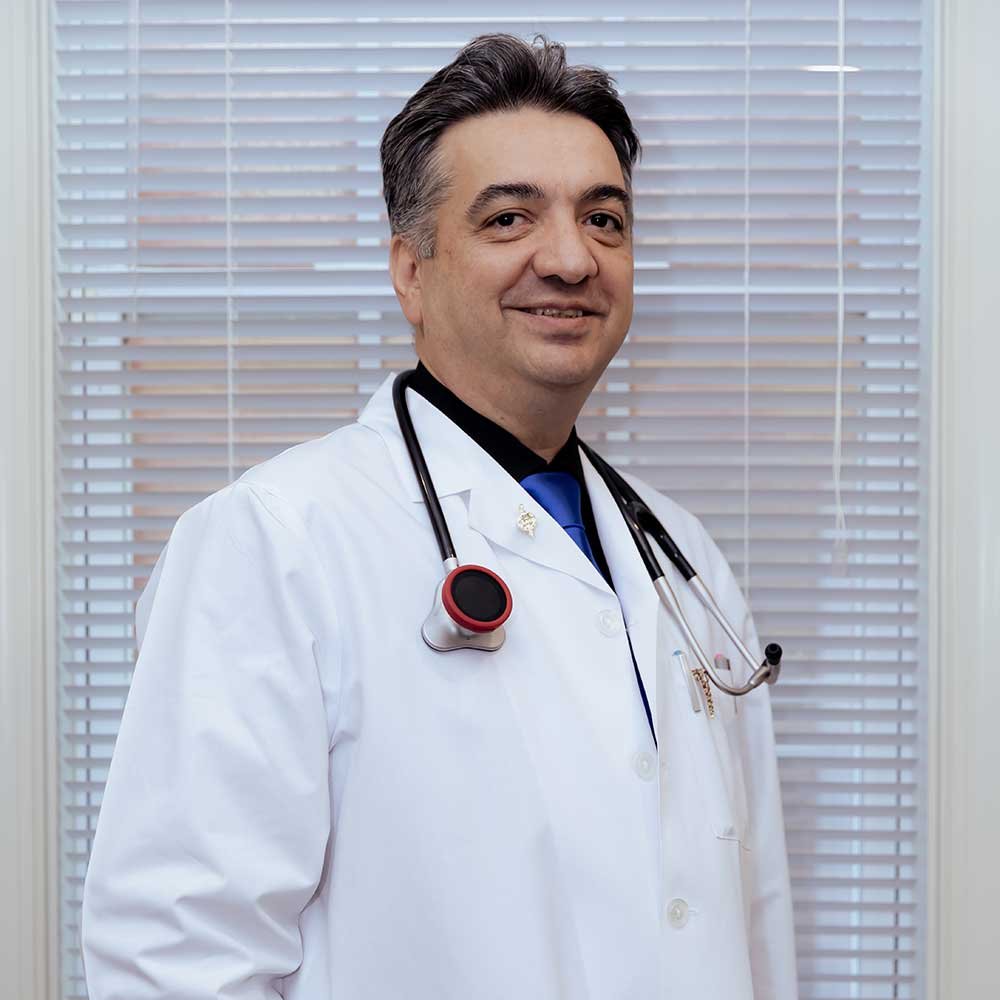
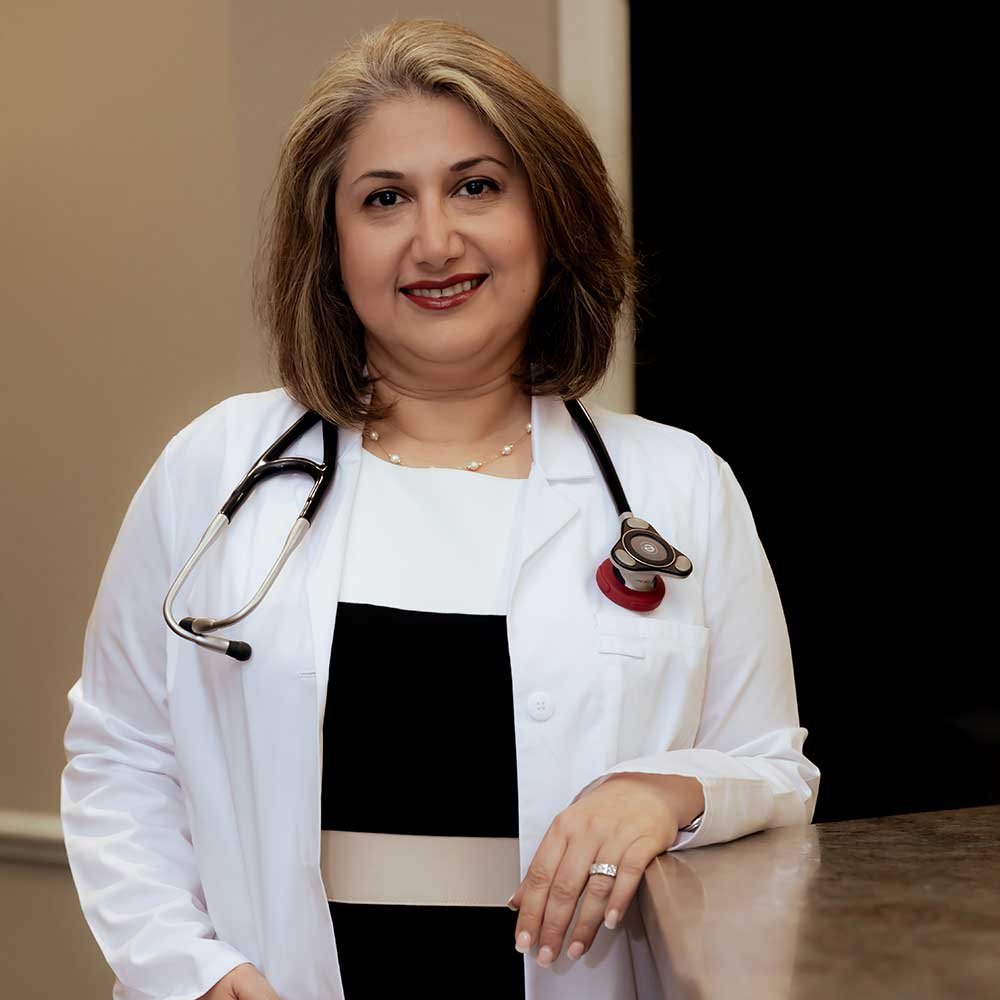
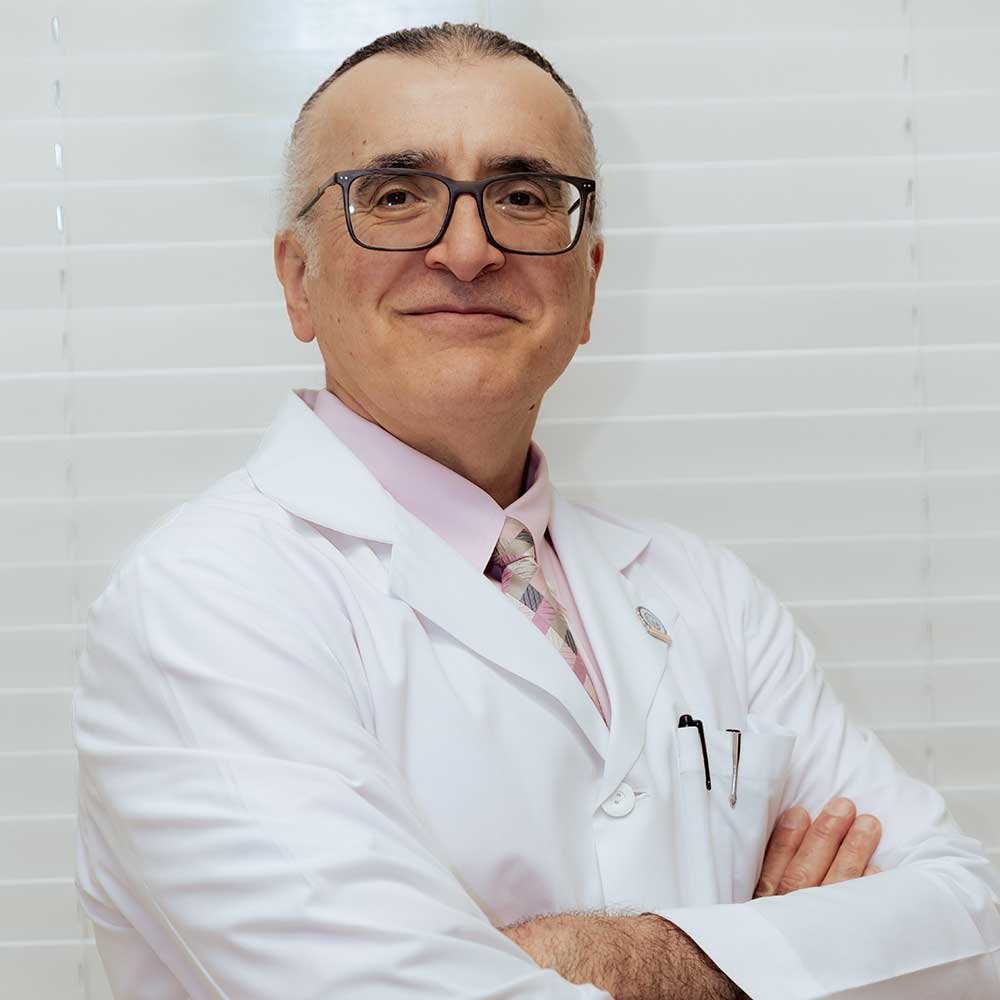
At Buford Care, our Medical Doctors, Physician Assistants, and Family Nurse Practitioners deliver exceptional care backed by years of clinical experience. Every consultation and treatment is guided by precision, safety, and a commitment to natural-looking results and patient satisfaction.
Mohsen Khodakaram
MD
Annika Oliver
PA
Mahdi Mofazali
FNP
Naghmeh Noorani
FNP
Questions about appointments
Have questions about scheduling or what to expect? Here are answers to common inquiries to help you feel fully prepared.
It’s a good idea to know what your skin normally looks like so you can notice any changes. If you see a new mole, spot, or rash—or if an old one changes in size, shape, or color—it could be a sign of something serious, like skin cancer. Set an in person visit so we can take a closer look.